
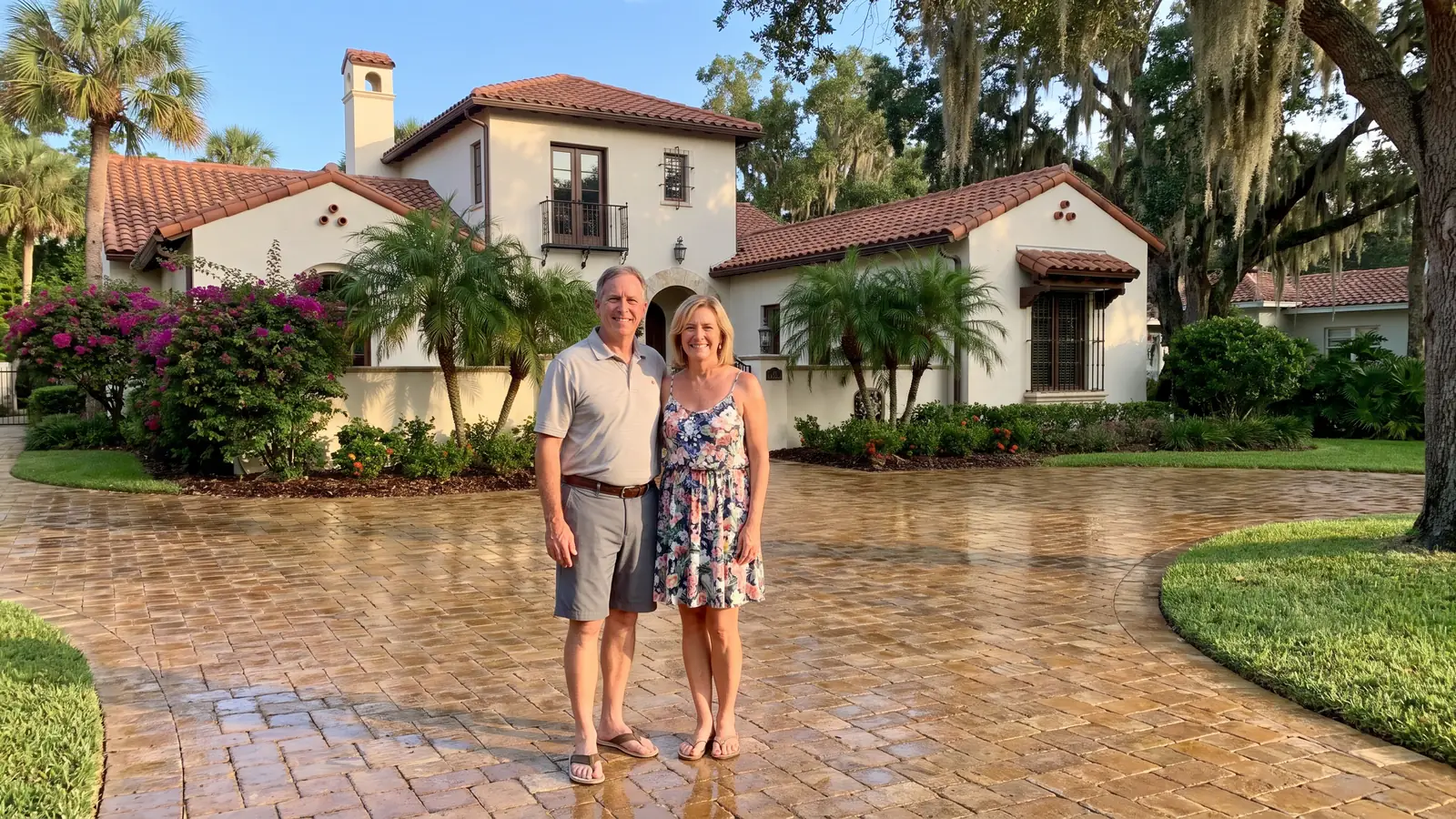
Paver sealing for Palatka homes
Paver Sealing in Palatka, FL
Palatka's dry season runs October through May, so call (904) 664-5908 to plan a free paver sealing estimate.
- Brings out deeper paver color
- Fresh joint sand helps lock pavers in place
- Gives weeds less room to grow
- Makes the surface easier to keep clean
- Free estimate, no obligation
Request a Free Estimate
Free, no obligation.
Fast, careful paver sealing in Palatka
Palatka homeowners can book paver sealing for a driveway, patio or front walk, whether the house sits on the brick-street grid near the river or on the newer roads out west. A local contractor washes, re-sands and seals, and the estimate is free. Call (904) 664-5908 and a reply should come inside 1 business day, and often well before that.
Think of the walkway you step over every morning. It is gray now, with weeds in the joints and a green patch by the steps. After a wash, fresh sand and a coat of sealer it goes back to one steady color, so ask for a free estimate and say what your pavers look like.
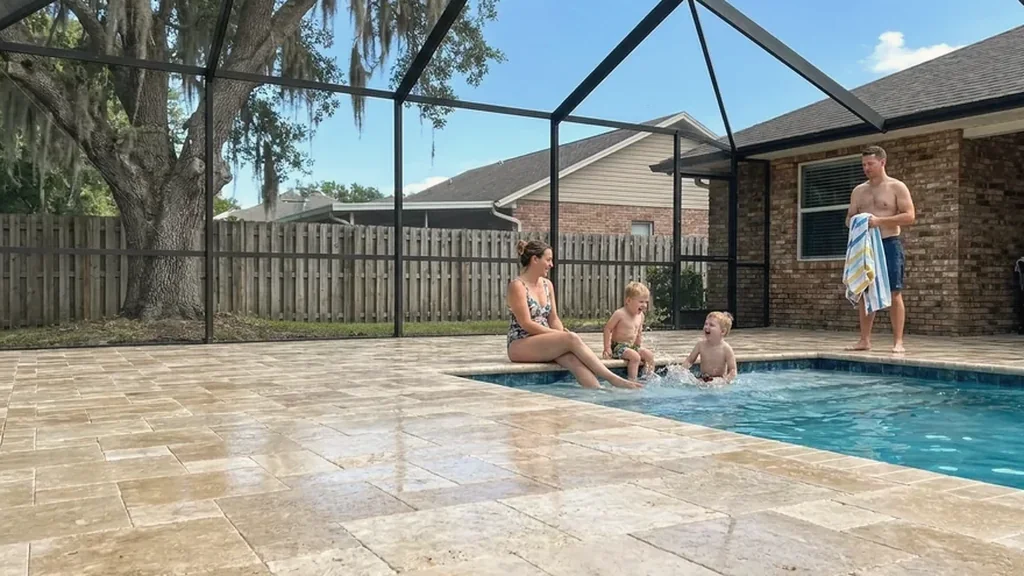
Why hire a local paver sealing contractor in Palatka?
River humidity, long summer rains and older homes all shape paver work in Palatka, so many owners want someone who knows the area. A free estimate shows what that means for your street, and you can ask for a free estimate to start.
A free first visit
The contractor looks at your Palatka pavers before any price is set. Nothing is owed for that look.
Prices you can check
Published prices for the full job run $1.75 to $3.25 per square foot around Northeast Florida. A quote far outside that deserves a question.
Your pick of finish
Matte, satin or a wet look are all on the menu. The wet look is darker, but scuffs show sooner.
Time to decide
Take a day or two to compare. The estimate carries no obligation, and a reply comes within 1 business day.
Get Your Free Estimate in Palatka
Tell us about your pavers in Palatka.
Free, no obligation
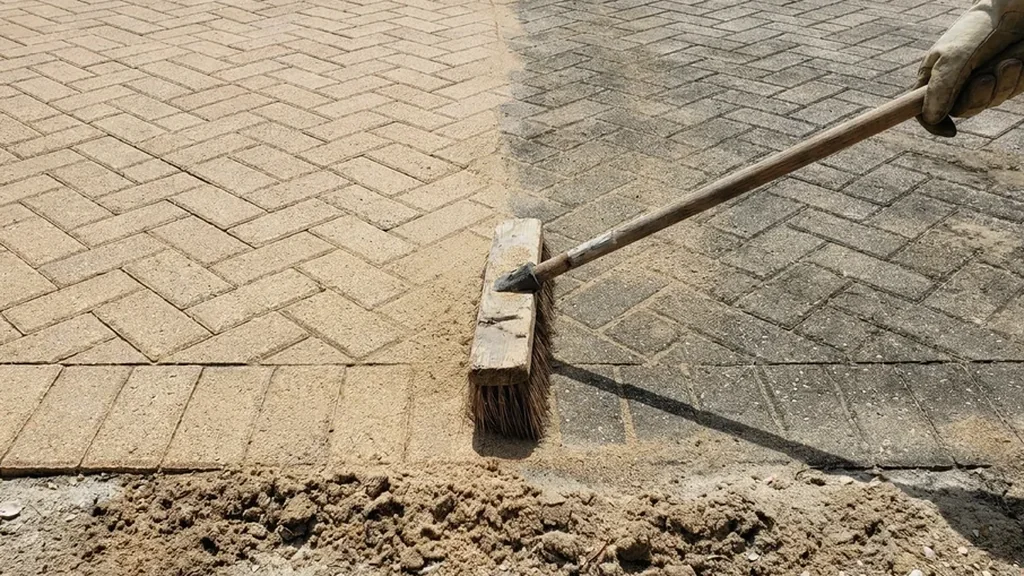
What paver problems show up most in Palatka?
Joint sand that leaves with the summer rain
Palatka's hot, rainy season runs from June until late September, and each of those months averages roughly 6.65 to 7.31 inches of rain. Heavy rain can carry bedding and joint sand away. A landscape guide says joints should be checked for lost sand and topped up. Once joints open, soil settles in and weeds follow, which means sand has to go back before a coat does. You may spot sand on the walkway or in the gutter after a storm, which tells you the joints are thinning. Another landscape source says a contractor may reinstall pavers where bedding sand was lost to heavy rainfall. Palatka averages 52.87 inches of rain a year, so sand loss is a yearly event, not a rare one. A quick top-up after the wet season keeps the joints from opening wide.
Green film in damp, shaded corners
Palatka has a humid subtropical climate, so a shaded patio or the north side of a walkway can stay damp for days. Algae and moss show up on pavers mostly where shade is dense and the surface stays wet. If you see green on the same spot each year, that corner stays wet. The wash has to remove it before sealing, or the coat will lock it in. A shaded spot near a downspout or a planter bed is the usual place for it to start. Sealing a clean, dry surface also makes the next wash easier. Much of Palatka faces the river, and the humid subtropical climate keeps moisture in the air. Even a sunny walk can hold a green film at its shaded edge.
Orange lines from sprinkler water
UF/IFAS says orange streaks often occur when water high in iron is used for irrigation. If your Palatka yard runs on a well, the sprinkler line can leave a rust stripe along the driveway edge. A contractor treats rust before sealing. Some stains may not lift completely, so ask what to expect at the estimate. Moving a sprinkler head so it no longer hits the pavers can keep the stripe from returning. UF/IFAS adds that most Florida well water carries iron, so the cause is often the water itself and not the pavers. Rust spots often ring a sprinkler head, a pattern a trained eye spots at the estimate.
An old coat that nobody remembers
Census estimates put the median Palatka home at 1974, against 1988 for Florida as a whole, and about half of occupied homes are owner occupied. Pavers may have changed hands more than once, so the sealer history is often unknown. Sealer based on water has no place over sealer based on solvent. The contractor has to work out what is on the surface first. A patchy or peeling surface is a clue that something is already on there. Ask your contractor to name the product in writing so the next coat matches. The same estimates show 2,155 of 4,246 occupied homes are owner occupied, so tenants may not know the history.
Dips where flood water left its mark
After Hurricane Irma in 2017, the St. Johns River Water Management District pumped floodwater in Putnam County. Water pooling on a paver surface can wash sand out and let the base settle. A coat laid over a sunken spot keeps the dip in place. Low or lifted areas get reset first, so the finished surface sheds water. The district's Palatka headquarters even had water damage in its Governing Board room that month. Walkways near a downspout are the first place to check. Base work comes before any coat, so the finished surface sheds water.
Which parts of Palatka have the oldest streets and homes?
The eastern side does, since downtown and the historic districts sit on a street grid where many of the original brick roads survive. The western outlying areas have a looser suburban road pattern. Much of the city faces the river. Tell the contractor which side of town you are on when you ask for a free estimate.
The Palatka North Historic District, listed in 1983, holds 76 historic buildings, including the Bronson-Mulholland House of 1854. The South Historic District covers 93 acres and was listed the same day. Styles range from Victorian and Colonial Revival to Art Deco and Prairie School. If your home is in one of these districts, call (904) 664-5908 before you plan the work.
The City of Palatka Historic Preservation Board issues certificates of appropriateness for construction and renovations in the historic districts. It meets at City Hall on the first Thursday of each month. The city pages do not list sealing by name, so a quick question to staff is cheap insurance. Once you know what applies, ask for a free estimate.
What does paver sealing cost in Palatka?
Across the region, published prices for the full clean, sand and seal run $1.75 to $3.25 per square foot. Where your Palatka job lands depends on size, stains and the state of any old coat. A failed sealer must be stripped first, and that costs more. To see what your own walkway or patio would cost, ask for a free estimate.
Small jobs cost more per square foot, because prep time does not shrink with the surface. A single walkway may price higher per foot than a big driveway and patio together. Heavy algae and rust also add time. Call (904) 664-5908 and the contractor can tell you which of these apply, at no charge.
| Paved area | Typical example | Clean, sand and seal |
|---|---|---|
| 300 sq ft | Small patio or walkway | $525 to $975 |
| 600 sq ft | Two car driveway | $1,050 to $1,950 |
| 1,000 sq ft | Large driveway or pool deck | $1,750 to $3,250 |
| 1,500 sq ft | Driveway plus pool deck | $2,625 to $4,875 |
Math based on the $1.75 to $3.25 per square foot that Northeast Florida paver companies published as of November 2026. Your contractor sets the actual price after seeing the surface. Repairs, leveling and stripping failed sealer are usually extra.
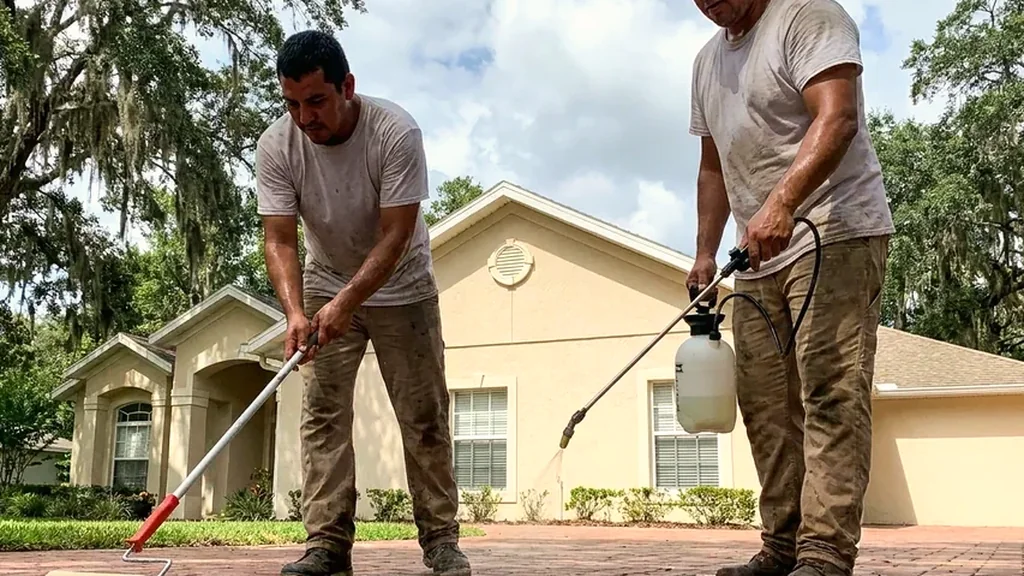
How does a paver sealing job work in Palatka?
Start with a short visit
The contractor looks at the pavers, the drainage and the shade, then asks what you know about past work. In Palatka that can include earlier owners and old flooding. A coat from a past owner changes the product choice, because water-based sealer cannot go over solvent-based sealer. You leave with a price and a plan. Ask the contractor to write the plan down.
Pick the right week
The dry season runs October through May, and the rainy months run June through September. The contractor leans toward a stretch of clear days. A booked date can still slide if a storm shows up, which is normal around here.
Wash and treat the stains
Algae, dirt and orange irrigation lines come off first. Rust gets its own treatment, and rinse water stays off older masonry where the layout allows. Stubborn stains may not lift all the way, so ask what to expect. A clean surface also shows which pavers are cracked. Rinse water is gathered away from plantings as well.
Sand the joints, then wait
Fresh silica sand goes into every joint, and sunken spots are reset before any coat goes down. After that comes the drying wait, which runs longer in humid weather. Pavers that look dry on top can hold moisture below, so the contractor does not rush this part.
Seal and stay clear
The finish goes on by spray and back-roll. Feet are usually safe after a few hours, and tires should wait about a day. Look at the result in daylight and speak up if a patch looks uneven, while the contractor is still on site.
Complete paver services in Palatka
Think of a Palatka sealing job as four jobs in a row. First the pavers get washed, then the joints get new sand, then the surface dries, and last the sealer goes on. Skipping ahead would trap dirt or damp under the coat. To ask how long each part would run on your property, call (904) 664-5908.
Front walks, driveways, back patios and pool decks all show wear differently. Tires dig at the drive, shade grows green on the patio, and sun bleaches the open walk. The contractor may choose one finish for the drive and another for the patio. When you ask for a free estimate, list each surface you want done.
Two sealer families are in use, water-based and solvent-based, and they do not go over each other. One Jacksonville company lists four finishes, from wet look high gloss to natural matte and a penetrating stone sealer. Matte reads quietly, while a wet look deepens color. Call (904) 664-5908 to talk through the pick for your house.
Timing matters in a place with a long wet season. Palatka's dry season runs from October through May, while June through September brings about 6.65 to 7.31 inches of rain a month. Sealer needs a dry surface, so a good contractor watches the sky and moves the date. To book one, ask for a free estimate.
Questions to ask before you hire
- Will you refill the joints where summer rain has washed the sand out?
- What happens if an afternoon storm rolls in while the sealer is still curing?
- Can you test a small spot first so I can see the color before the whole job?
- What pressure do you wash at so the surface does not chip or etch?
- Will the written estimate list the square footage, the sealer and the price?
- How long until I can park a car on the driveway again?
- Can I see photos of pavers you have sealed near my neighborhood?
What do sealed pavers look like around Palatka?
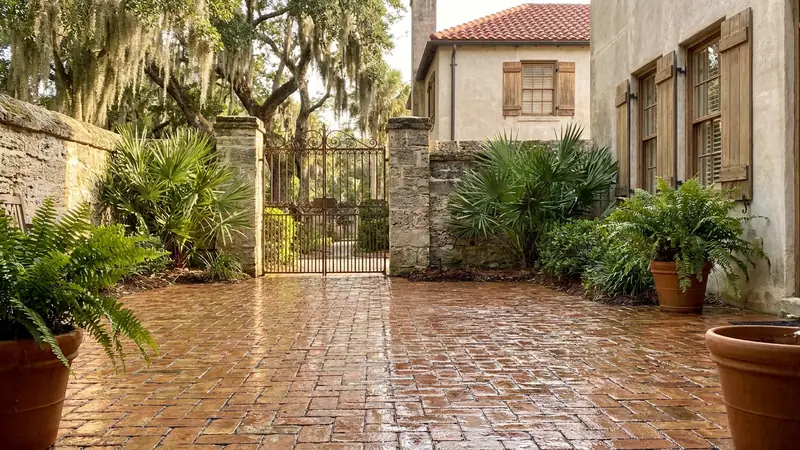
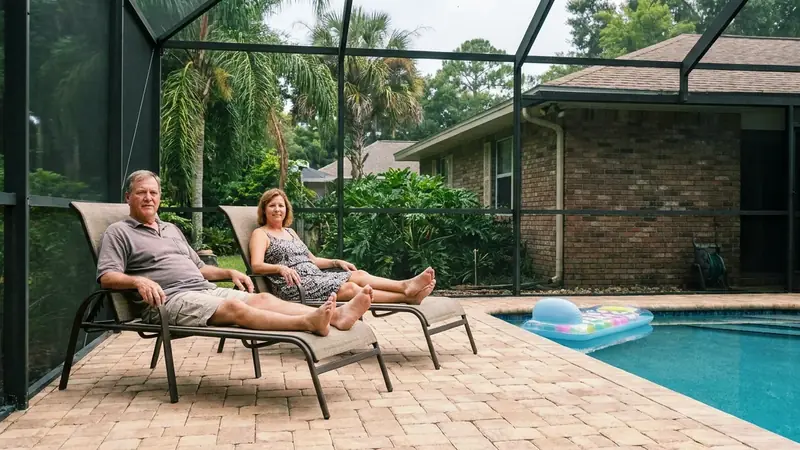
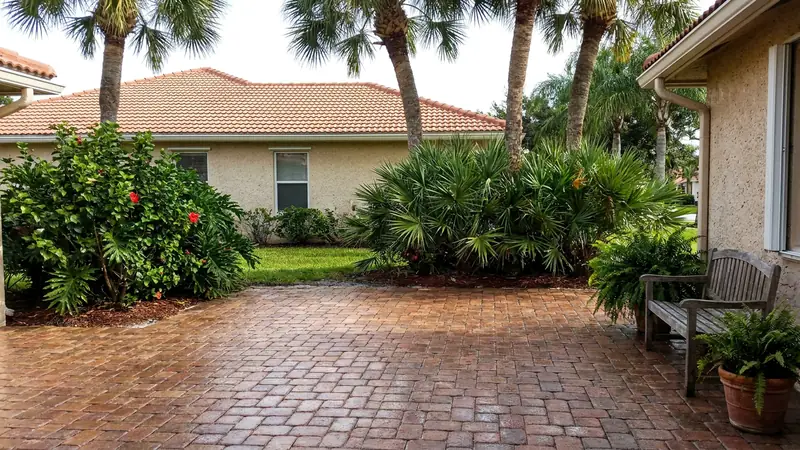
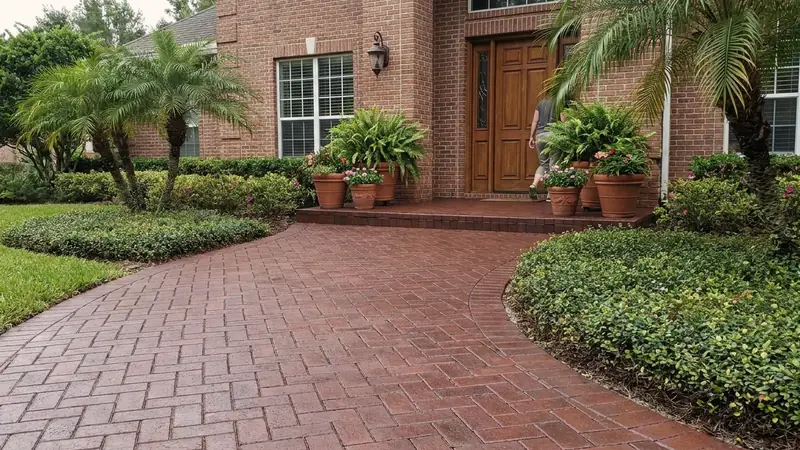
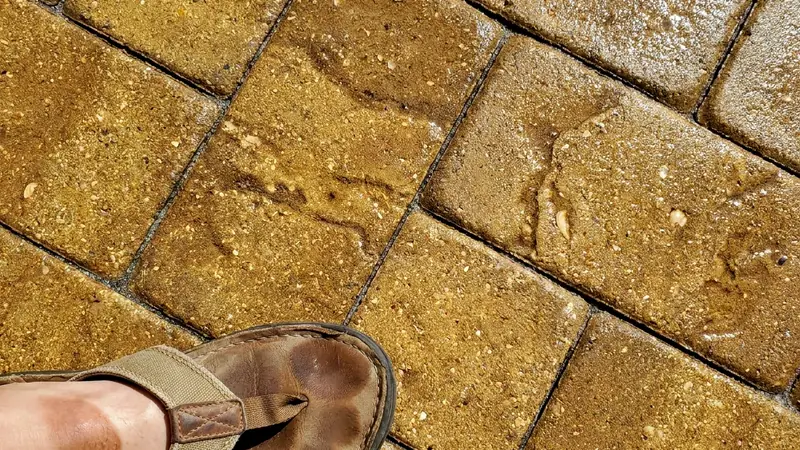
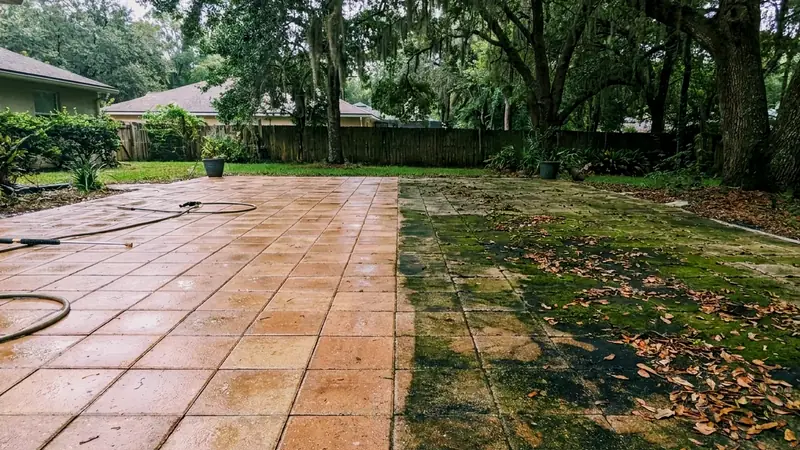
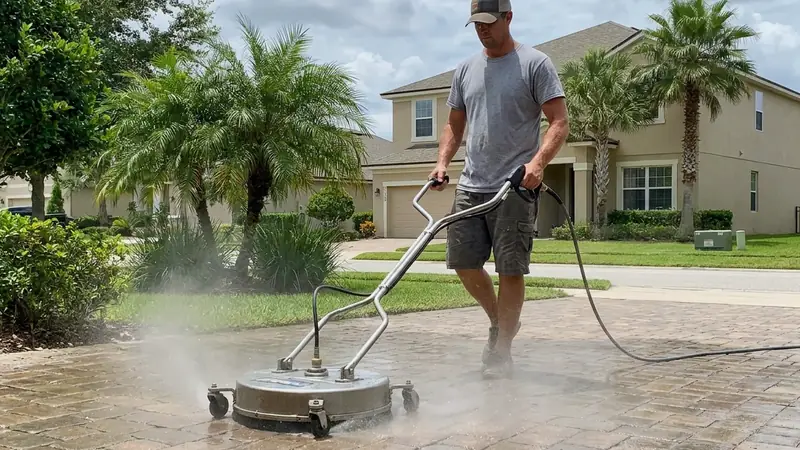
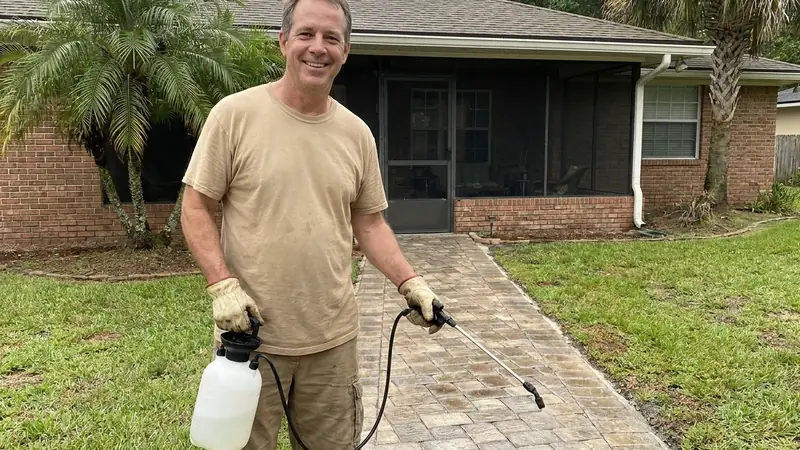
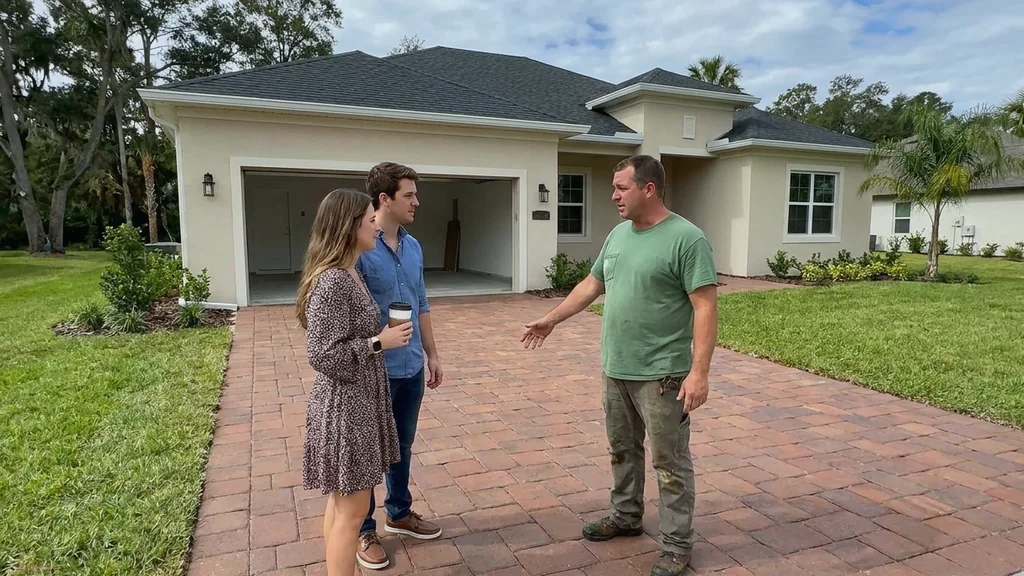
Why local matters in Palatka
A contractor who works in Palatka knows the town sits on the St. Johns, about 60 miles upriver from Jacksonville. Rain, river humidity and a long wet season shape every job. Someone from out of the area may plan around the wrong weather. To reach a contractor who works Putnam County, call (904) 664-5908.
Local knowledge also helps with older homes. Palatka has streets of brick, an 1854 house on the National Register and a historic preservation board. A contractor who has seen these properties will ask about district rules and about what is already on your pavers. Raise any questions when you ask for a free estimate.
Timing is the last piece. The dry season runs October through May, and summer storms can arrive in minutes. A local contractor builds that into the schedule, so your job does not stall halfway. Call (904) 664-5908 to hear how that would work for you.
Where is Palatka, and what is the town known for?
Palatka is the seat of Putnam County, on the St. Johns River about 60 miles upriver from Jacksonville. It was incorporated in 1853, and downtown was rebuilt in brick after the 1884 fire. The river bends sharply here, at the unofficial line between upriver and downriver. If you live near the riverfront, ask for a free estimate.
Ravine Gardens State Park, a 59-acre Works Progress Administration project, is a local draw. Palatka also hosts the Florida Azalea Festival each first weekend of March, with events along the riverfront at Riverfront Park. Henry Klutho designed the James Hotel in 1916. Near any of these Palatka landmarks, call (904) 664-5908 and name your street.
Frequently Asked Questions
Is it smart to seal pavers around Palatka?
Yes, for most homes. Sealer slows color fade, helps hold joint sand in place and keeps dirt on top instead of soaking in. In a humid place with heavy summer rain, that protection is worth pricing. A matte finish keeps its good looks through scuffs for longer than a wet look. Ask which finish fits your surface. Palatka's heavy June-to-September rain is the main reason to keep joint sand locked in.
Why is paver sealing so expensive in Palatka?
Prep takes more of the bill than the sealer does. A Jacksonville company reports two to three hours of prep for each hour of sealing. Washing, re-sanding and waiting for the surface to dry all take time, and small jobs cost more per square foot. A fair quote explains each step.
What are the downsides of sealing pavers in Palatka?
Sealer wears out, so you will need a new coat later. Wet looks show scuffs sooner. Sealer also needs a dry surface, so a rainy week can push the date back. Water-based sealer cannot go over a solvent-based coat, so an old product can limit your choices.
How much does paver sealing cost in Palatka?
Published prices for a full clean, sand and seal run $1.75 to $3.25 per square foot across Northeast Florida. Stripping a failed old coat costs more. Ask for the total area in the quote so you can compare. Smaller projects cost more per foot because prep does not shrink with size. Failed old sealer must be stripped before new sealer goes on. Your estimate should state the square footage so you can check the rate yourself.
What time of year works for sealing pavers in Palatka?
The dry season from October through May is the easier window. June through September brings about 6.65 to 7.31 inches of rain a month, so storms can interrupt a job. A contractor will watch the forecast either way. Sealer cures in about 24 hours before vehicles, so a clear two-day stretch is a good target. A Jacksonville cost guide also names fall and spring as good seasons to seal. If guests are coming for the Florida Azalea Festival, held the first weekend of March, aim to finish a week or two earlier so the coat has cured.
Do pavers in Palatka's historic districts need city approval?
It may depend on your address. The city's Historic Preservation Board issues certificates of appropriateness for construction and renovations in the historic districts. The pages do not mention sealing by name, so ask city staff at City Hall before the work starts. Both the North and South districts were listed in 1983. Ask before you order work, since a rejected change costs more than a phone call.
How long should I stay off my pavers after sealing?
Walking is usually fine after a few hours, and cars need about a day. One company says its sealer needs 2 to 4 hours before foot traffic and 24 hours before vehicles. A night in the garage or on the street keeps tires off the new coat. Check the forecast before you book, since a dry day or two after the job helps the coat set.
How often do pavers in Palatka need to be resealed?
A coat is commonly quoted at two to five years, with drive lanes and sun-baked spots wearing first. Pour a little water on the surface: if it beads, the coat still works, and if it soaks in, it is done. Drive lanes and sunny spots tend to wear first. A fresh coat is due when water stops beading. Drive lanes and sun-baked spots tend to need attention first.
Ready for a Free Estimate in Palatka?
Call (904) 664-5908 and tell us about your pavers.
Free, no obligation